26 Feb
Feeling of flatulence. The sight of the towering dark rocks is awe-inspiring. Nestled in their peaks and caves since the 11th century, the monasteries. With ropes, with nets or with their bare hands, the monks established a centuries-old tradition: climbing. Today, climbers from all over the world come to Meteora to face the mysterious rocks. UNESCO has designated Meteora as a “Preserved and Protected Monument of Humanity”. The Greek state as a “sacred place, immutable and inviolable”. Add your own description to the “guest book” of the Meteors, which reach 2 million each year.
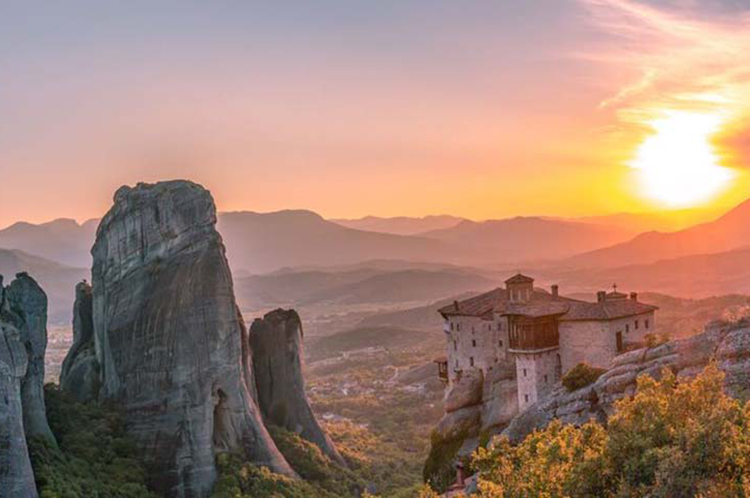
The “beastly” rocks of the humble ascetics
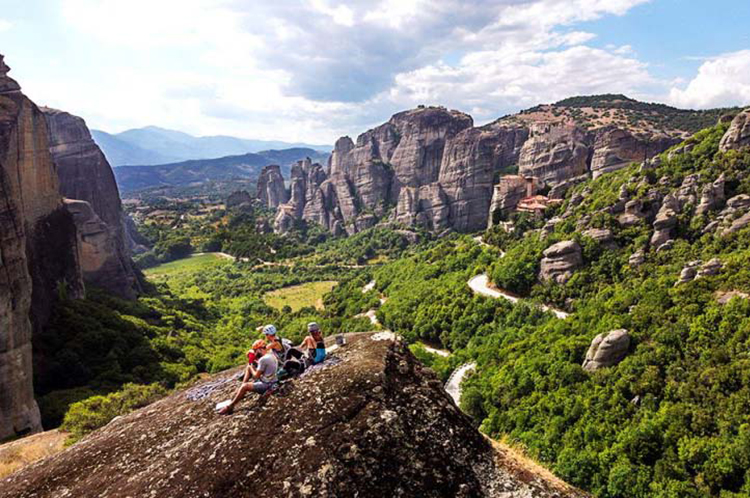
In Thessaly, the group of imposing rocks rises above Kalambaka, between Pindos and Antichasia. Monasticism here began in the 11th century, when ascetic monks left Mount Athos and came to Thessaly, to live ascetically in the caves of the huge rocks. In the 14th century, the holy Athanasios Meteorites appeared and organized the first synovial community, founding the monastery of Megalo Meteoros. Monks from other regions of Greece followed, founding a total of 20 monasteries.
Live “floating” monasteries
Nowadays there are six living, prosperous and renovated monasteries, which welcome the pilgrim in their mansion. They are of Agios Nikolaos Anapausas, the Transfiguration of the Savior or the Great Meteor, Varlaam, Roussanos, the Holy Trinity and Agios Stefanos. The rest are either renovated, but without monks, or in ruins.
Place for climbing enthusiasts
The climbing in Meteora never stopped. Monks and ascetics climbed their monasteries and hermitages with ropes, nets or with their bare hands. Meteora rock climbing has continued into modern times. It is a lifelong dream for many sports fans who come from every corner of the Earth. Athletes enjoy classic climbing routes, i.e. long and without unnecessary belays. All are traditionally engraved from bottom to top. To the eyes of the uninitiated, they seem impossible, as several of them stand almost vertically at a height of half a kilometer.
Kastraki: beautiful nest in the rocks
It nestles between the rocks and is the most beautiful village in the area and a base for climbers. It has restaurants, small hotels and rooms for rent, as well as shops with tourist items. Palio Kastraki has been characterized as a traditional settlement.
Kalambaka: the gate of “ascension”
The gateway city to Meteora. The commercial and tourist center of the area: here you will find many hotels, rooms for rent and taverns that will make your vacation dreamy. Stroll through the old town (Spotos), which has been restored. Visit the unique woodcarving School in Greece as well as traditional coppersmiths, where you will find rare handmade copper items.
The multi-arched bridge of Sarakina
At a distance of about 8 kilometers from Kalambaka, in the direction of Trikala, you will find the historical community of Sarakina. There is the largest multi-arched stone bridge of the prefecture of Trikala, the famous six-arched bridge of Sarakina, which dates back to the 16th century. One of the most interesting attractions in the area.
The cave of Theopetra
Just 4 km outside of Kalambaka you will find an evocative setting, a cave-sight that will pique your interest. Inside the cave, a main hall of 500 sq.m. about. The limestone rock formation of Theopetra is placed in the upper Cretaceous period (137,000,000-65,000,000 years from today).
Hiking and mountain biking in Meteora
In Meteora, walking is particularly enjoyable and the landscapes are fascinating. You can do it in an organized way, with the help of the alternative tourism companies operating in the area. Another option is mountain biking.
Source discovergreece.com